Seborrhoeic Keratosis Removal and Assessment in Melbourne (Ivanhoe + Diamond Creek)
Common “stuck-on” skin growths that look alarming, but are usually harmless — and very treatable if they bother you.
Seborrhoeic keratoses (often called SKs, “senile warts”, “skin barnacles” – or my favourite – “wisdom spots”!) are extremely common benign skin growths that tend to appear from mid-life onward. They are not skin cancer and are not pre-cancerous. (1–3)
Because SKs can sometimes mimic (or hide alongside) other lesions, it’s important to have any new, changing, bleeding, or unusual growth checked. (1–3)
Doctor-led assessment with Dr Chris Irwin, including dermatoscopic review where appropriate.
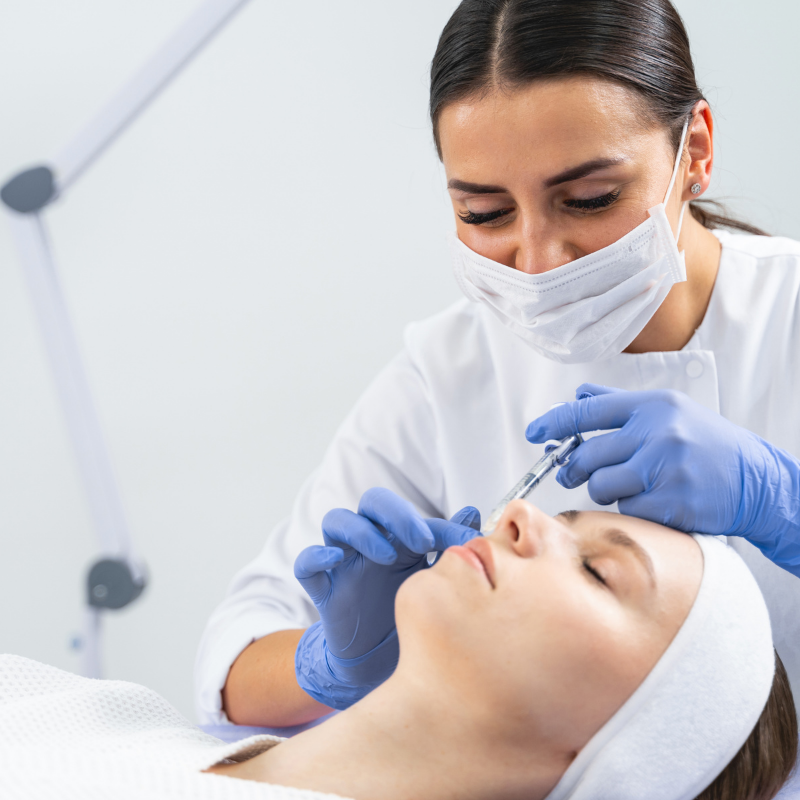
Optional: if you have multiple lesions and want a comprehensive cosmetic removal plan, or you’re interested in laser therapy for removal, consider booking a combined 20 minute medical appointment followed by a 40 minute dermal therapist appointment.
Key takeaways
- SKs often have a classic “stuck-on”, waxy or warty appearance. (1–3)
- They’re harmless — but a changing lesion should be assessed to ensure it’s truly an SK. (1–3)
- Removal is optional, usually for irritation, snagging, or cosmetics. (1–3)
- We can tailor removal for best cosmetic outcome, especially on the face/neck and for multiple lesions.
Jump links
- What is seborrhoeic keratosis?
- What does it look like?
- Who gets them (and why)?
- Variants (DPN and stucco keratoses)
- Are they dangerous?
- When should you get one checked?
- Treatment and removal options
- What to expect after removal
- FAQs
- Book
What is seborrhoeic keratosis?
Seborrhoeic keratosis is a benign growth of the top layer of the skin. (1–3)
Many people develop multiple lesions over time — in fact, SKs are so common that most older adults have at least one. (1,2)
They are:
- not contagious
- not caused by poor hygiene
- not caused by “worms” or infection (they just happen with age/genetics in many people) (1–3)
What does it look like?
SKs can vary, but classic features include: (1–3)
- “Stuck-on” appearance (as if pasted to the skin)
- Waxy, warty, or rough surface
- Colour range: skin-coloured, tan, brown, very dark brown/black, sometimes grey
- Often have tiny surface features that look like small plugs or speckles
Common locations:
- chest and back
- face and neck
- scalp
- under breasts or in skin folds
(SKs do not occur on palms or soles.) (2,3)
Who gets them (and why)?
Common risk factors
- Age: uncommon in children/young adults; common from mid-life onward. (1–3)
- Family tendency: many patients notice SKs “run in the family.” (1–3)
- Friction areas: may appear more in folds/collar lines. (2)
What causes SKs?
The exact cause isn’t fully understood, but SKs are considered a mix of age-related skin changes plus genetic factors. (2)
Importantly, although they can look wart-like, they are not true viral warts. (2,3)
Variants you may hear about
Dermatosis papulosa nigra (DPN)
A common SK variant with multiple small dark bumps, often on the face (especially around the eyes/cheeks), seen more often in darker skin tones. (1–3)
Stucco keratoses
Small white/grey “stuck-on” spots, often on lower legs/ankles in older adults. (2)
Are they dangerous?
No — SKs are benign and do not turn into skin cancer. (1–3)
The main issue is look-alikes:
●Some skin cancers can mimic an SK, and sometimes an SK can look atypical (especially if inflamed or irritated). (1–3)
●If we’re not fully confident clinically, we may recommend biopsy or removal with histology for certainty.
Very rarely, people can develop a sudden eruption of many SKs in a short time (the “Leser-Trélat” discussion), but this is uncommon and controversial; most people develop SKs gradually over years as part of aging. (2,3)
When should you get one checked?
Book a review if a lesion is:
- new and rapidly growing
- changing in colour/shape
- repeatedly bleeding, crusting, ulcerating, or persistently inflamed
- clearly “different” from your other spots
- difficult to see (scalp/back) but bothersome or changing (1–3)
If your concern is mainly about skin cancer risk, see Skin cancer types and information.
If you have multiple “lumps and bumps” and you’re not sure what they are, see Other Dermatological Conditions .
Treatment and removal options
Removal is optional and usually chosen for:
- snagging/bleeding due to friction
- itch/irritation
- cosmetic reasons
- diagnostic certainty in atypical lesions (1–3)
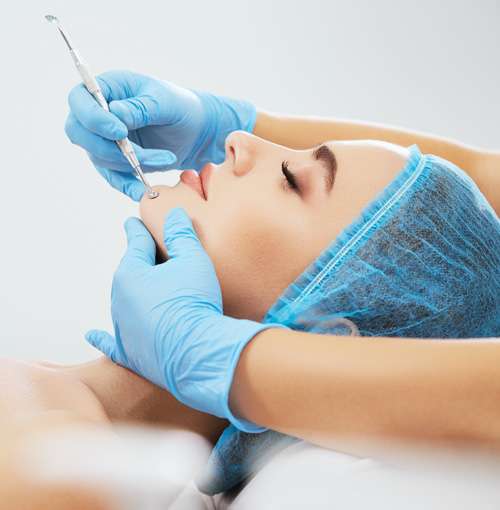
We tailor the method to the lesion and location:
1) Shave removal (often best when tissue is needed)
A quick procedure under local anaesthetic, typically leaves a superficial healing area and allows tissue to be sent for histology when appropriate. (1–3)
2) Curettage and/or electrosurgery (selected lesions)
Useful for thicker SKs; involves gentle removal and treatment of the base. (1–3)
3) Cryotherapy (freezing)
Fast and effective for some lesions, but can leave a lighter mark, especially in darker skin tones or on delicate facial skin. (1–3)
4) Laser removal (selected cases, often excellent cosmetically)
Laser can be useful when you want a refined cosmetic outcome, particularly for multiple lesions or cosmetically sensitive areas — best planned after medical confirmation of diagnosis. (1–3)
For more on laser modalities and how they work, see Laser & Light Treatments hub.
5) Chemical options in selected cases
Some in-clinic chemical approaches exist for certain lesions; suitability depends on lesion type, size, and location. (1)
If you have multiple lesions and want a comprehensive cosmetic plan:
That’s where the combined booking (20 minute medical + 40 minute dermal therapist appointment) is most helpful — we can map which lesions to remove, which technique suits each area, and how to minimise marks and downtime.
What to expect after removal
Most methods cause a temporary healing phase:
- a small scab or crust is common
- mild redness can persist for a while (especially on the face)
- pigment change can occur (lighter or darker marks), particularly if you tan or pick the area during healing (1–3)
We’ll give you aftercare instructions to reduce irritation, speed healing, and minimise pigment change.
FAQs
Frequently Asked Questions
Are SKs “senile warts” or contagious?
No. The nickname is historical. SKs are not viral warts and are not contagious. (2,3)
Why do they seem to “spread”?
They don’t spread by touch — you may simply develop new ones over time. (1–3)
Do you have to remove them?
No. Removal is optional unless there’s diagnostic uncertainty or significant symptoms. (1–3)
Can an SK look like melanoma?
Yes — sometimes. That’s why dermatoscopic assessment is important, and why we biopsy/remove if there is uncertainty. (1–3)
No. The nickname is historical. SKs are not viral warts and are not contagious. (2,3)
They don’t spread by touch — you may simply develop new ones over time. (1–3)
No. Removal is optional unless there’s diagnostic uncertainty or significant symptoms. (1–3)
Yes — sometimes. That’s why dermatoscopic assessment is important, and why we biopsy/remove if there is uncertainty. (1–3)
Book
If you want a clear diagnosis, reassurance, or removal options:
Optional: if you have multiple lesions and want a comprehensive cosmetic removal plan, or you’re interested in laser therapy for removal, consider booking a combined 20 minute medical appointment followed by a 40 minute dermal therapist appointment.
Ivanhoe: Unit 1, 1065 Heidelberg Road, Ivanhoe VIC 3079
Diamond Creek: Shop 12, 67 Main Hurstbridge Road, Diamond Creek VIC 3089
References
1.Cleveland Clinic. Seborrheic Keratosis.
2.DermNet NZ. Seborrhoeic keratosis.
3.American Academy of Dermatology. Seborrheic keratoses: overview and treatment.
(Place full URLs here in your CMS reference field / footnotes block.)