Pigmentation
Wrinkle consultations
Even tone. Healthy skin. Thoughtful care.
At The Skin Doctor, we understand how powerful an even, balanced complexion can be for confidence.
Whether it’s sun spots, freckles, melasma or lingering marks after acne, pigmentation is extremely common — but it is not all the same.
That’s why we begin with a medical pigmentation consultation, not a generic “brightening” treatment.
Our focus is on accurate diagnosis, skin safety and long-term management, rather than aggressive, one-off results.
Book a Pigmentation Consultation
Pigmentation
Risks & Considerations
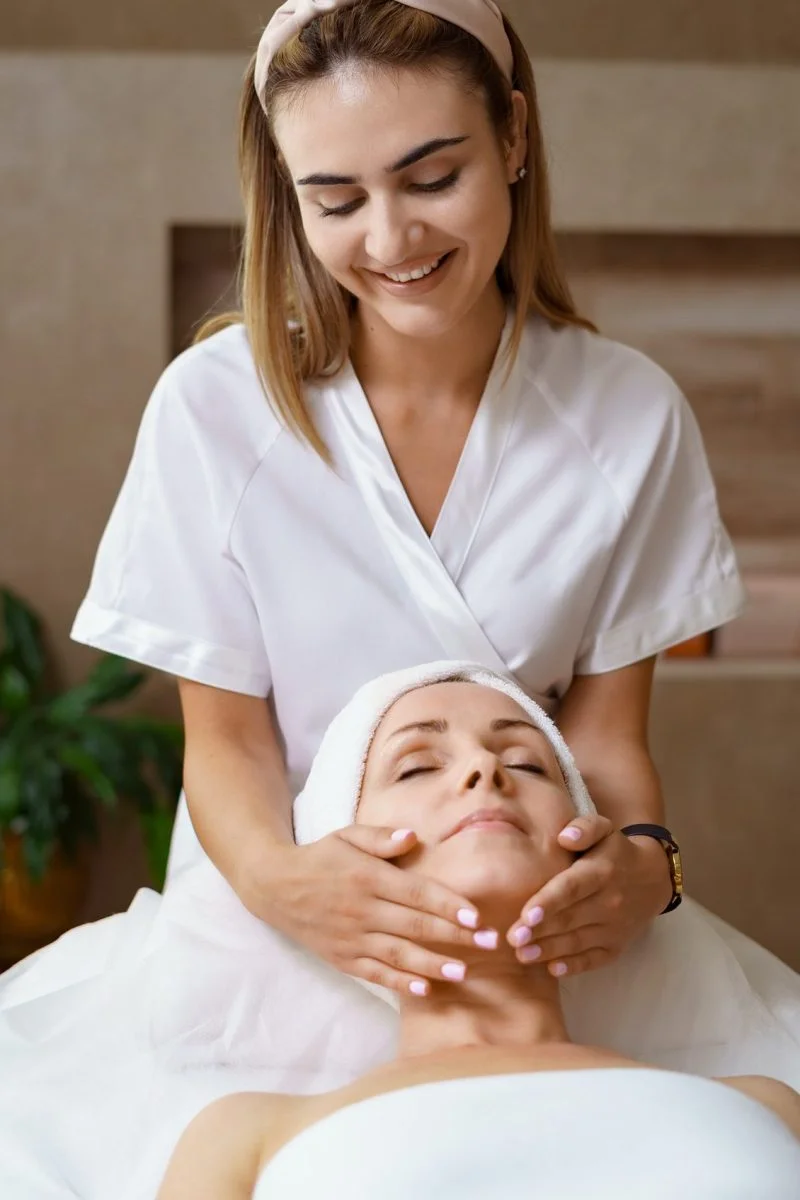
A pigmentation consultation is a doctor- or dermal-therapist-led medical assessment designed to understand:
-
what type (or types) of pigmentation you have -
why it has developed -
how your skin type, lifestyle and medical history affect treatment choices
During your consultation (typically 40–60 minutes), your doctor may:
-
take a detailed medical and skin history (including hormones, medications, pregnancy and prior treatments) -
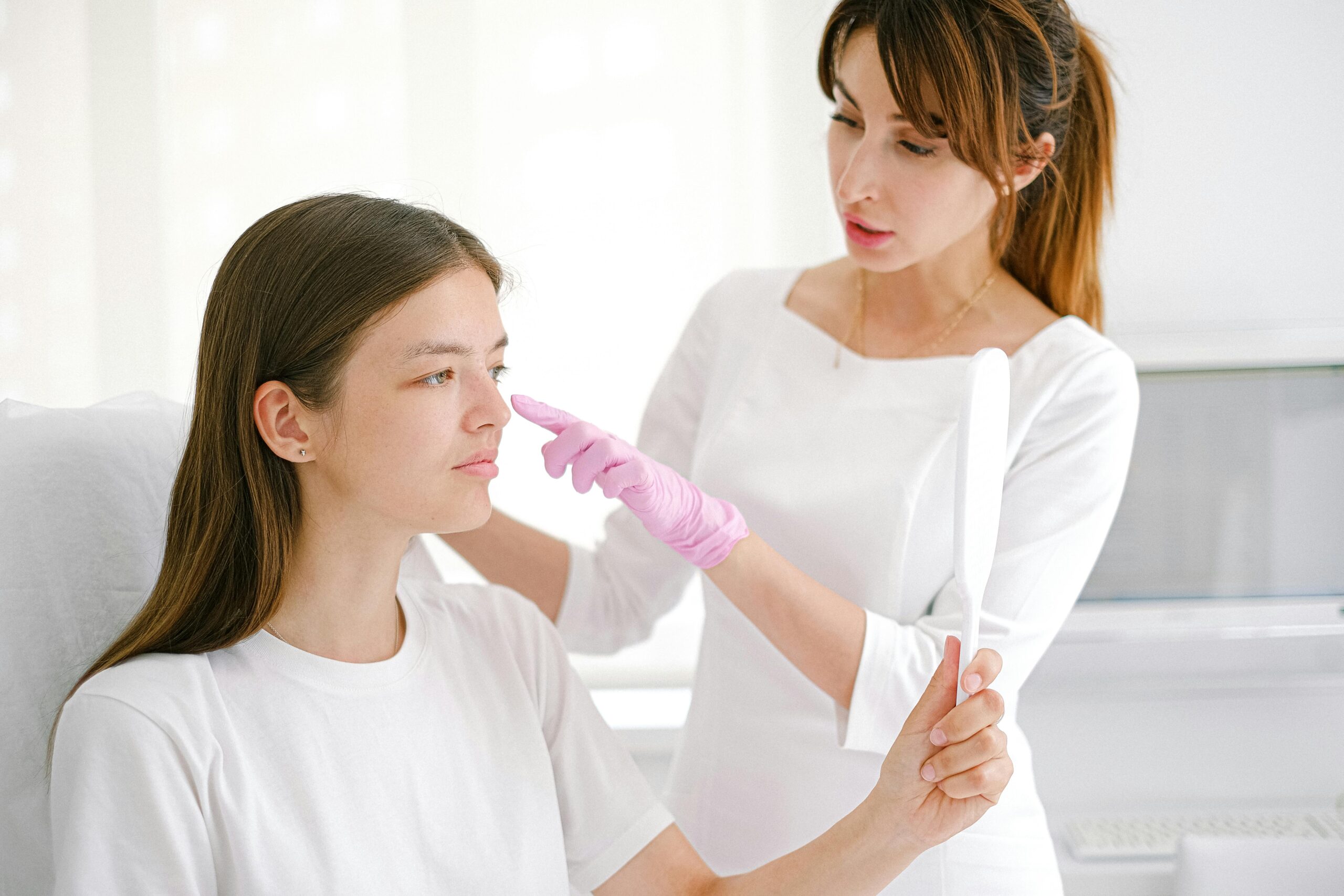
examine the face, neck and décolletage in clinical lighting -
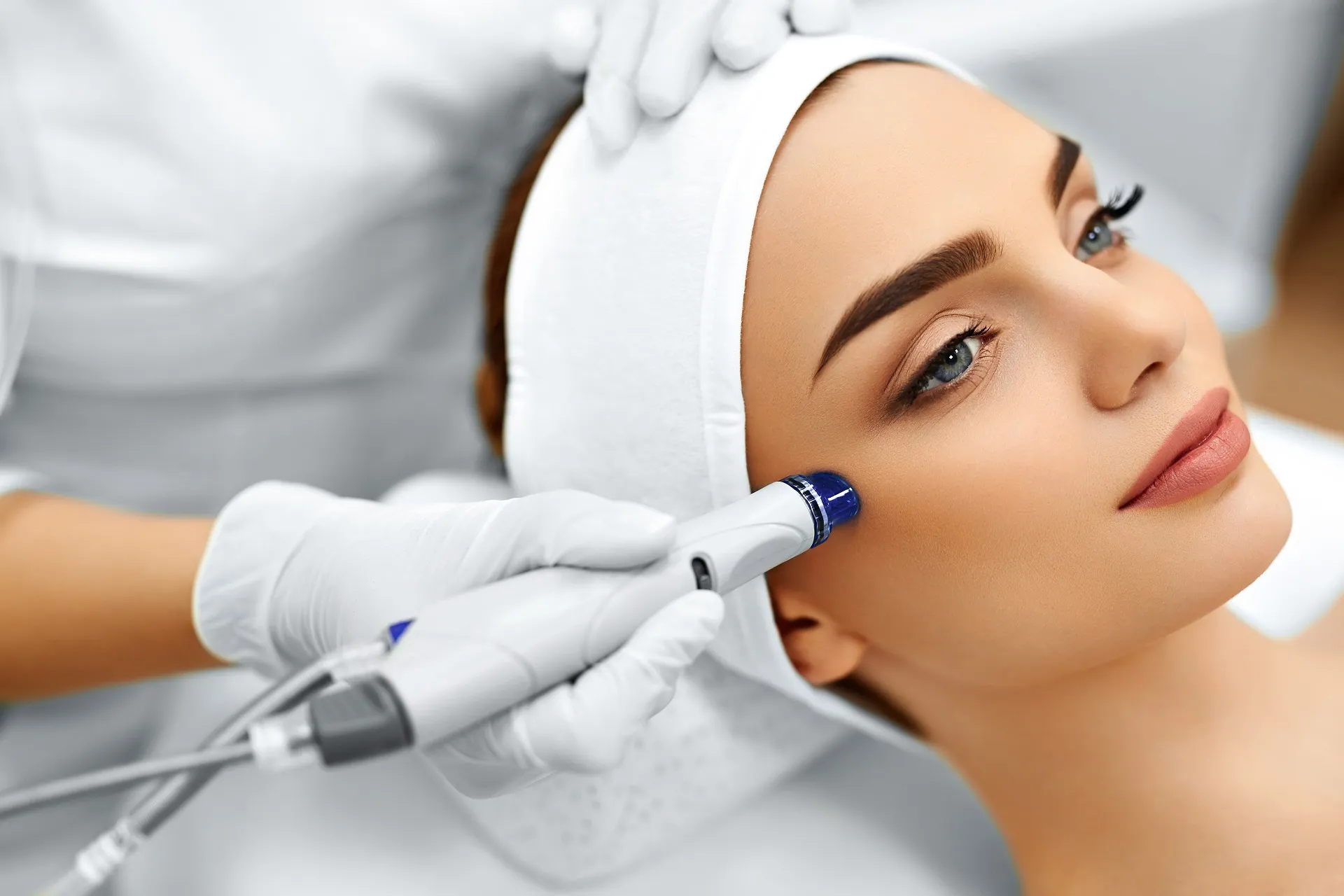
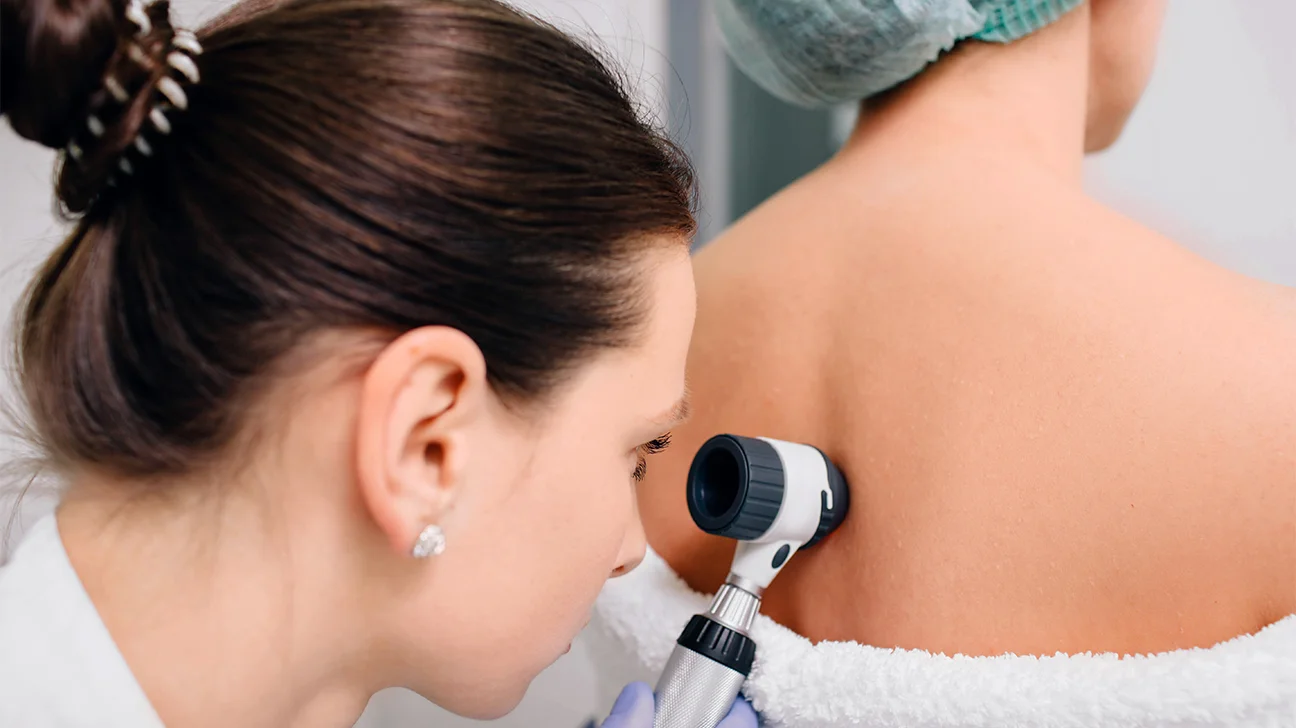
use advanced imaging to reveal pigment beneath the surface -
determine whether pigment is superficial, mixed or deeper in the skin -
discuss realistic goals, timeframes and maintenance -
design a stepwise plan that may include skincare, in-clinic treatments, or both
You will receive a clear explanation of options, costs, expected downtime and the importance of sun protection before deciding on any treatment.
Pigmentation
What Is Skin Pigmentation?
Skin colour is determined by melanin, a pigment produced by melanocytes in the outer layer of the skin. Melanin is protective and helps shield the skin from UV damage.
Pigmentation concerns arise when melanin is produced unevenly or deposited in excess, leading to:
-
sun spots / age spots -
freckles -
post-inflammatory hyperpigmentation (marks after acne, bites, rashes or procedures) -
mottled or patchy skin tone
Some pigmented lesions are completely benign; others require monitoring or medical treatment. A proper medical assessment is essential to exclude concerning lesions before cosmetic treatment is considered.
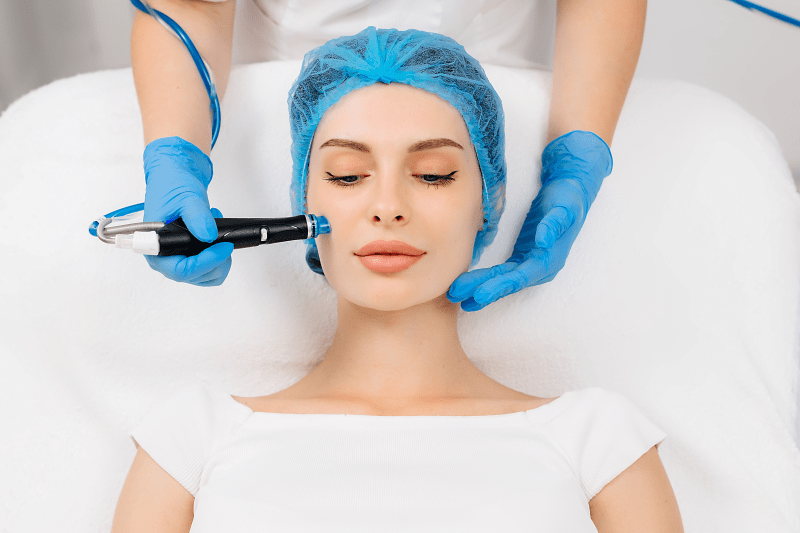
Pigmentation
Why Does Pigmentation Occur?
A pigmentation consultation is a doctor- or dermal-therapist-led medical assessment designed to understand:
-
UV exposure — the most significant driver in Australia -
Hormones — pregnancy, oral contraceptives and hormonal fluctuations -
Inflammation & trauma — acne, eczema, bites, burns, laser, waxing or peels -
Genetics — inherited tendency to freckle or develop certain pigment patterns -
Medications & medical conditions — some drugs and systemic conditions alter pigment behaviour
Because the cause, depth and pattern vary, treatment must be tailored.
The wrong treatment — particularly in darker skin types — can worsen pigmentation.
Pigmentation
Types of Pigmentation We Commonly Assess
During your consultation, your doctor may identify one or more of the following:
-
Sun-induced pigmentation — freckles, sun spots and blotchy tone -
Melasma — hormonally influenced, often symmetrical patches on the cheeks, forehead or upper lip Learn more about careful, long-term melasma management at Melasma
-
Post-inflammatory hyperpigmentation — marks after acne, rashes, bites or procedures -
Diffuse sun damage — generalised mottling and roughness -
Birthmarks or other pigmented lesions — some cosmetic, others requiring dermatology or skin cancer review
If a lesion appears suspicious, we will recommend appropriate medical follow-up rather than cosmetic treatment.
Pigmentation
Our Approach to Pigmentation Treatment
Pigmentation management at The Skin Doctor is staged, conservative and long-term.
Foundations: Sun Protection & Skin Barrier Support
Before any active treatment, we prioritise:
-
daily broad-spectrum sunscreen -
gentle but effective cleansing and moisturising -
avoidance of known triggers where possible
Without this foundation, pigmentation results are unlikely to last.
Pigmentation
Medical-Grade Skincare for Pigmentation
Your doctor may recommend or prescribe:
-
pigment-modulating agents (e.g. vitamin C, niacinamide, azelaic acid, carefully selected brightening agents) -
retinoids (vitamin A) to support cell turnover -
barrier-support products to reduce inflammation
These may be sufficient alone in milder cases, or used alongside in-clinic treatments. 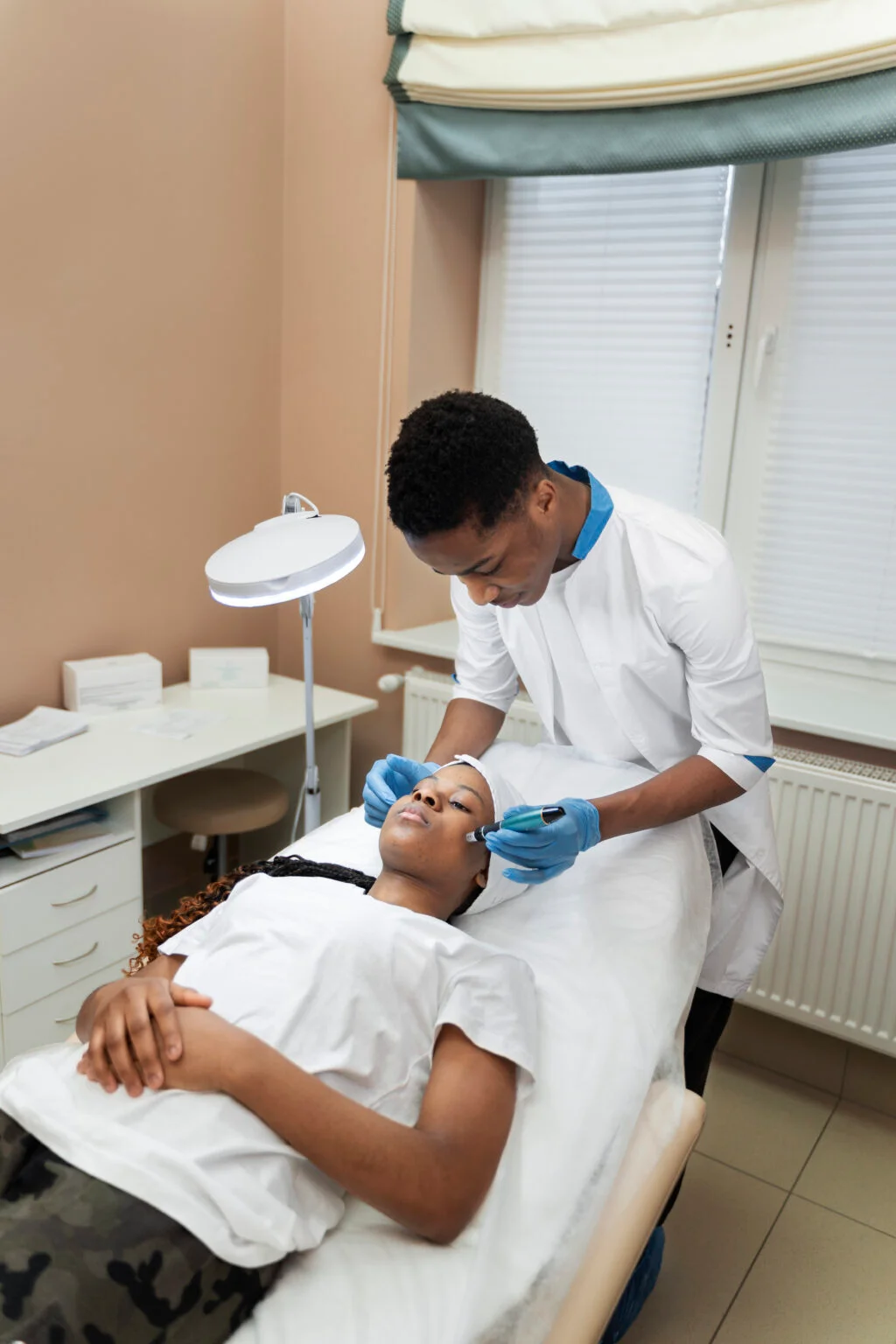
Pigmentation
In-Clinic Pigmentation Treatments
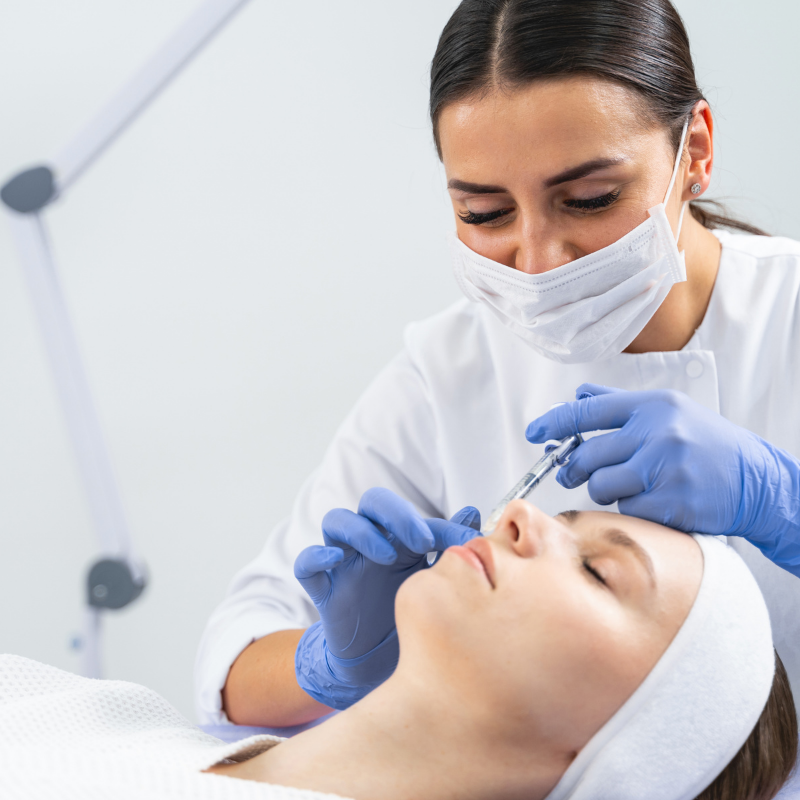
Depending on pigment depth, skin type and medical history, options may include:
-
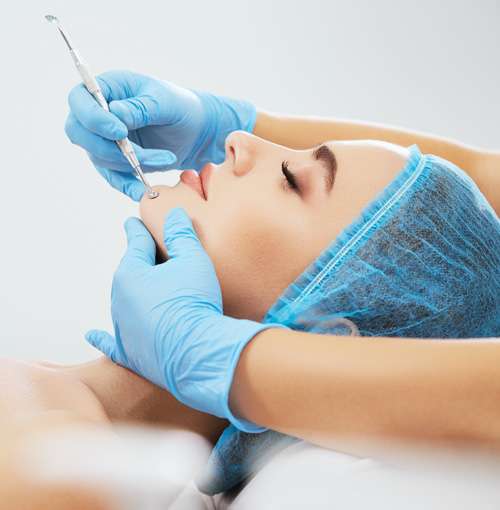
chemical peels — from low-downtime options to structured programs -
light and laser-based therapies — carefully selected wavelengths and conservative settings -
fractional resurfacing or needling-based treatments — for pigment combined with texture or scarring
Not every modality is suitable for every skin type.
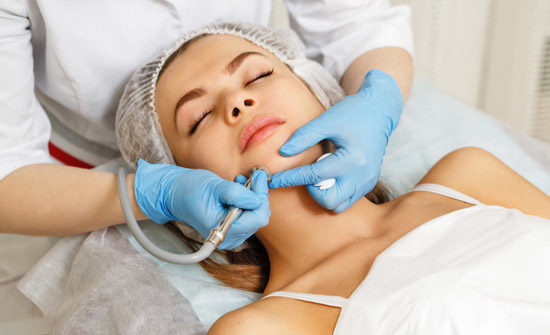
For patients with olive, Asian or darker skin tones, we are especially cautious with device choice and settings, and often prioritise topical programs and staged treatment to reduce the risk of post-inflammatory hyperpigmentation.
Patients in these groups may also benefit from review through our Skin of Colour Clinic
Pigmentation
Pigmentation in Darker & Olive Skin Types
Medium to darker skin tones:
-
are more prone to pigmentation -
have a higher risk of post-inflammatory hyperpigmentation after aggressive treatments
For these patients, we:
-
emphasise pre-treatment pigment stabilisation -
use conservative parameters and carefully chosen technologies -
may prioritise non-laser options such as targeted peel programs and skincare
Patients with melasma, particularly those with medium to darker skin tones, often benefit from a more conservative, long-term approach. Detailed information is available on our Melasma page.
Pigmentation
What to Expect From Pigmentation Treatment
During Your Journey
-
clinical photographs may be taken to monitor progress -
lighter treatments often have minimal downtime -
stronger peels or laser treatments may involve redness, darkening or flaking for several days -
you’ll receive clear aftercare instructions and strict sun-avoidance guidance
Results & Maintenance
-
pigmentation improves gradually, often over a series of treatments -
conditions such as melasma can be managed but may recur with UV exposure or hormonal change -
ongoing skincare and sun protection are essential
We do not promise permanent removal, but we aim for realistic, sustained improvement and healthier skin long-term.
FAQs
Frequently Asked Questions
Am I a candidate for pigmentation treatment?
Most people with cosmetic pigmentation concerns benefit from assessment. A consultation is essential to exclude concerning lesions and select safe, appropriate treatments.
Can pigmentation be removed permanently?
Some spots may lighten significantly; others — particularly melasma — can recur. Treatment is best viewed as management and improvement, not a cure.
How many treatments will I need?
This depends on pigment type, depth and severity. Your doctor will outline an estimated course and maintenance plan.
Is treatment safe for my skin type?
Safety is our priority. We customise treatment based on skin type, history and risk of post-inflammatory hyperpigmentation.
Most people with cosmetic pigmentation concerns benefit from assessment. A consultation is essential to exclude concerning lesions and select safe, appropriate treatments.
Some spots may lighten significantly; others — particularly melasma — can recur. Treatment is best viewed as management and improvement, not a cure.
This depends on pigment type, depth and severity. Your doctor will outline an estimated course and maintenance plan.
Safety is our priority. We customise treatment based on skin type, history and risk of post-inflammatory hyperpigmentation.
Let’s start
Your Pigmentation Journey at The Skin Doctor
If you’re noticing sun spots, melasma, uneven tone or lingering marks after acne, a Pigmentation Consultation can help you understand what’s happening in your skin and what can realistically be improved.
Our approach is medical, conservative and long-term — so your skin looks clearer, calmer and more even, while still looking like your skin.